The Importance of Precision in Scenic Fabrication
Introduction:
Scenic fabrication is the process of transforming creative designs into physical sets, props, and immersive environments for theater, film, television, events, and theme parks. While creativity is the foundation, precision is the key that ensures the set is functional, safe, and visually impactful. Accurate measurements, alignment, and execution are essential to deliver high-quality scenic elements that meet both artistic and practical requirements.
1. Ensuring Structural Integrity
Precision for Safety
Sets often involve elevated platforms, moving parts, or load-bearing structures. Even minor errors in measurements or assembly can compromise stability and safety. Precision ensures that all components fit correctly, minimizing the risk of accidents for performers, crew, and audience members.
Accurate Load Distribution
Careful calculation and precise construction allow weight and stress to be evenly distributed across the set. This prevents structural failure, sagging platforms, or damage to props and ensures longevity of the scenery.
2. Achieving Realism and Visual Accuracy
Consistent Dimensions
Precise measurements are crucial for achieving proportional and realistic set pieces. For example, architectural elements like doors, windows, and staircases must match the scale of the scene to maintain visual believability.
Seamless Integration of Components
Precision ensures that modular or repeatable elements align perfectly, creating a cohesive and immersive environment. Poor alignment can break the illusion and reduce the impact of the scenic design.
3. Facilitating Smooth Assembly and Scene Changes
Ease of Construction
Accurate fabrication allows set pieces to fit together without adjustments, reducing assembly time and labor costs. Modular components built with precision can be installed quickly and efficiently.
Efficient Scene Transitions
For theater and live events, scene changes must be smooth and fast. Precisely fabricated moving elements, tracks, and panels allow for quick, reliable transitions, enhancing the flow of the performance.
4. Reducing Material Waste and Costs
Minimizing Errors
Precision reduces errors during cutting, shaping, and assembly, which in turn minimizes material waste. This is especially important when working with expensive materials or large-scale sets.
Cost-Effective Fabrication
Accurate planning and execution ensure that materials, labor, and tools are used efficiently. This helps projects stay within budget while maintaining high quality.
5. Integrating Technology for Greater Precision
Digital Design Tools
Software like AutoCAD, SketchUp, and Rhino allows designers to plan and visualize sets with exact dimensions, reducing mistakes during fabrication.
CNC Machines and 3D Printing
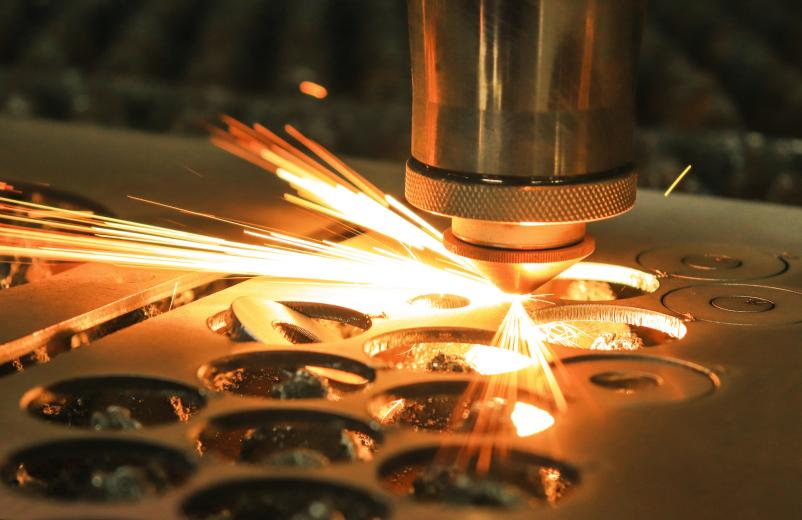
Computer-controlled tools provide highly accurate cuts and molds, enabling intricate designs and consistent replication of complex components.
VR and AR Visualization
Virtual and augmented reality tools allow designers to simulate spatial arrangements and alignment before physical construction, ensuring precision from the start.
Conclusion:
Precision is the backbone of successful scenic fabrication. It ensures structural integrity, visual accuracy, smooth assembly, cost efficiency, and safety. By combining skilled craftsmanship with modern tools and meticulous attention to detail, scenic fabricators can transform artistic concepts into immersive, durable, and professional-quality sets. In the world of theater, film, television, and themed environments, precision is what separates a good set from an unforgettable one.