Platy Fish: Varieties, Colors, and Care Tips
Imagine a freshwater aquarium filled with little flashes of orange, red, yellow, and black. Among the plants and gentle bubbles, a group of platy fish swims around as if they have somewhere exciting to be. They are small, cheerful, and full of color, making them a favorite among aquarium hobbyists and a practical choice for businesses looking to offer attractive ornamental fish.
Platy fish are popular for good reasons. They are generally peaceful, adapt well to suitable freshwater aquariums, and come in a surprising range of colors and patterns. Their manageable size also makes them suitable for many home aquarium setups.
For importers, wholesalers, and aquarium retailers, platies offer an opportunity to provide customers with colorful fish that appeal to beginners and experienced hobbyists alike. However, choosing the right varieties and maintaining healthy stock requires a little knowledge.
Let’s explore the different types of platy fish, their care requirements, and what businesses should consider when sourcing them.
What Is a Platy Fish?
Platy fish are small freshwater fish belonging to the genus Xiphophorus, native to parts of Central America. Two species commonly associated with the aquarium trade are the southern platyfish (Xiphophorus maculatus) and the variable platyfish (Xiphophorus variatus).
They belong to the livebearer group, which means females give birth to live young rather than laying eggs. This reproductive characteristic makes them interesting for hobbyists who want to observe breeding behavior in their aquariums.
Most aquarium platies grow to around 4–7 cm, depending on the species, sex, and breeding line. They are active swimmers and generally peaceful when kept with compatible tankmates.
Their biggest attraction, however, is their appearance. Selective breeding has produced numerous color combinations, from solid orange and bright red to calico patterns with several colors appearing on the same fish.
For commercial buyers, this variety makes platies useful for building a diverse ornamental fish selection without relying on a single color or pattern.
Popular Types of Platy Fish
Platy fish are available in many varieties, and their names generally describe their colors, patterns, or distinctive physical characteristics. Naming conventions can vary between breeders, so buyers should confirm the appearance of a specific strain before placing a large order.
1. Red Platy
Red platies are among the most recognizable varieties in the aquarium trade. Their bodies display bright red, orange-red, or reddish-orange pigmentation, creating a striking appearance against green aquatic plants.
Some individuals have nearly uniform coloration, while others show darker markings around the fins or body.
Red platies can be an attractive option for retailers because their bright color is easy to notice in a display aquarium. They also work well alongside fish with contrasting yellow, black, or patterned appearances.
When selecting red platies, look for active swimming behavior, intact fins, and consistent coloration appropriate to the grade being purchased.
2. Mickey Mouse Platy
The Mickey Mouse platy is famous for a pattern near the base of its tail that resembles the silhouette of the familiar cartoon character. The marking usually consists of a larger dark spot accompanied by two smaller spots.
The background color can vary and may include red, orange, yellow, or other shades.
This distinctive marking makes the variety easy to recognize and gives retailers a simple feature to explain to customers. It can also be an appealing choice for families and beginners who want fish with unusual patterns.
As with other platies, the quality of individual fish varies, so buyers should check pattern visibility and overall health when evaluating a batch.
3. Sunset Platy
Sunset platies display warm colors that resemble the shades of an evening sky. Their bodies may transition from yellow or golden tones toward orange and red, although the exact pattern depends on the breeding line.
Some specimens have a gradual color transition, while others show more clearly separated shades.
These warm colors can create a lively aquarium display, especially when combined with green plants and neutral-colored decorations.
For retailers, sunset platies can complement solid-color varieties and help create a visually varied selection. Ask suppliers to confirm the expected coloration, as the name may be used differently by different sellers.
4. Tuxedo Platy
Tuxedo platies feature darker markings across part of the body, often contrasting with a brighter base color. Depending on the strain, the darker pigmentation may cover the rear half of the fish or form a more limited pattern.
The contrast between the dark markings and red, orange, yellow, or other background colors gives these platies a distinctive appearance.
They are a useful option for aquarium collections that include both solid-colored fish and more patterned varieties.
When buying tuxedo platies, check that the pattern matches the supplier’s description and that the fish show no signs of injury or illness.
5. Calico Platy
Calico platies are known for their multicolored appearance. Their bodies may combine orange, red, black, white, and other markings in irregular patterns.
Unlike solid-color varieties, each fish may display a slightly different arrangement of colors. This individuality can appeal to hobbyists who enjoy collecting fish with varied appearances.
For commercial buyers, calico platies can add visual diversity to a mixed-variety shipment. However, if a retail chain needs consistent product photographs or clearly defined grades, it is worth discussing color variation with the supplier beforehand.
6. Yellow and Gold Platy
Yellow and gold platies bring a bright, sunny appearance to freshwater aquariums. Their coloration ranges from pale yellow to deeper golden shades, depending on the breeding line.
Some fish display relatively uniform coloring, while others have darker fins or contrasting markings.
These varieties can work particularly well in aquariums with darker backgrounds, where their lighter coloration is easier to appreciate.
For wholesalers and retailers, yellow and gold platies provide another color option for customers who want something different from the more familiar red varieties.
7. Blue and Other Unusual Color Varieties
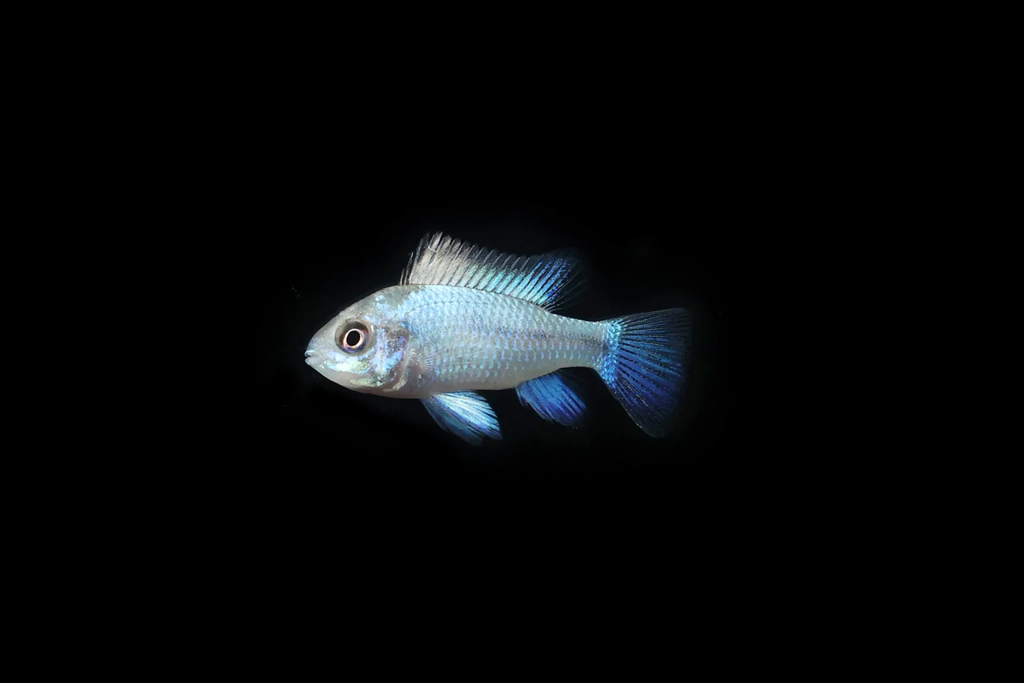
Some platy strains display blue-gray, iridescent, or other less common color effects. The appearance can depend on pigmentation, reflective scales, lighting, and the particular breeding line.
These fish can be interesting additions to specialist collections or stores that want a broader range of ornamental fish.
Because color names can be subjective, buyers should request photographs under normal aquarium lighting rather than relying entirely on descriptions. This helps set realistic expectations about how the fish will look after arrival.
What Makes Platy Fish Popular?
Platies combine an attractive appearance with relatively straightforward care requirements. Several characteristics contribute to their popularity.
A wide range of colors: Red, orange, yellow, gold, and multicolored varieties make it easy to create different aquarium displays.
Generally peaceful behavior: Platies can live with compatible community fish, provided the aquarium offers enough space and suitable conditions.
Manageable size: Their small adult size makes them suitable for many freshwater aquariums.
Livebearing reproduction: Females give birth to live fry, which can make breeding an interesting part of the hobby.
Adaptability: Platies generally tolerate a reasonable range of conditions when acclimated properly and maintained in stable, clean water.
For businesses, these features can make platies a versatile category within an ornamental fish catalog. Nevertheless, fish health, appropriate sourcing, and responsible husbandry remain essential for successful retail and wholesale operations.
How to Care for Platy Fish
Although platies are often recommended for beginners, they still need suitable water conditions, a balanced diet, and enough room to swim.
Maintain Suitable Water Conditions
Platies generally prefer stable freshwater conditions and often do well at temperatures around 22–26°C. A pH of approximately 7.0–8.0 is a useful starting point, although the appropriate conditions depend on the fish’s source and existing environment.
They often prefer moderately hard to hard water. Rather than making abrupt changes to match a target number, aim to maintain stable conditions and acclimate new fish carefully.
In an established aquarium, ammonia and nitrite should remain at zero. Monitor nitrate levels and perform regular partial water changes to maintain good water quality.
Choose the Right Aquarium Size
Platies are active swimmers, so aquarium size should reflect the number of fish, their adult size, and the filtration capacity of the system.
For a small home group, an aquarium of around 60 liters or more can provide a useful starting point, although stocking needs vary. Larger groups require additional space and effective filtration.
Plants can provide shelter and make the aquarium more attractive, but leave enough open swimming space for the fish to move comfortably.
Commercial holding systems should also be planned around stocking density, water quality, and the time fish will spend in transit or temporary tanks.
Feed a Balanced Diet
Platies are omnivores and benefit from a varied diet. Quality tropical fish flakes or small pellets can form the staple, supplemented with suitable foods such as brine shrimp, daphnia, and vegetable-based fish foods.
Feed small portions that the fish can consume within a few minutes. Excess food can break down and contribute to poor water quality.
A varied diet supports general health and natural coloration, although genetics also play a major role in determining a fish’s final appearance.
Select Compatible Tankmates
Platies are generally peaceful and can be kept with other compatible community fish that prefer similar water conditions.
Avoid aggressive species and fish that may nip their fins. Also consider the behavior and adult size of potential tankmates before combining them in a shared aquarium.
Since platies reproduce readily, mixed-sex groups can produce fry regularly. If breeding is not intended, consider how males and females will be housed and managed.
Quarantine New Fish
Quarantine new arrivals before introducing them to established stock. Observe their behavior, feeding response, and physical condition during this period.
For importers, wholesalers, and large retail stores, quarantine procedures are particularly important because introducing unhealthy fish into a shared system can affect many tanks.
Good quarantine practices, appropriate acclimation, and careful handling all contribute to healthier stock.
Breeding Platy Fish: What Buyers Should Know
Platies are livebearers, and breeding can occur without complicated equipment when fish have suitable conditions. Females may give birth to multiple fry, and the young can begin feeding on appropriately sized food soon after birth.
However, adult fish may eat some of their fry. Aquatic plants and other suitable cover can provide hiding places, while dedicated breeding or nursery tanks can help breeders manage young fish more effectively.
Selective breeding has produced many platy color varieties, but offspring from mixed breeding lines may not consistently display the same patterns as their parents.
For commercial buyers interested in particular colors, ask suppliers whether the fish come from established breeding lines and how consistently the desired traits appear in their offspring.
Understanding these details can help businesses choose the right stock for their intended customers.
What Should Buyers Consider When Purchasing Platy Fish?
Selecting attractive fish is only one part of a successful purchasing decision. Importers and retailers should also consider fish health, stock consistency, availability, and shipping arrangements.
Before placing an order, review these factors:
- Appearance and grade: Confirm the colors, patterns, and approximate size of the fish being supplied.
- Health and condition: Look for active fish with intact fins, normal swimming behavior, and no obvious signs of disease.
- Quantity and availability: Establish the available number of fish and whether repeat orders are possible.
- Packing and shipping: Ask about packaging procedures, expected transit times, and the handling of live fish.
- Documentation: Confirm applicable export documents and import requirements for the destination country.
- After-delivery support: Understand the procedure and deadline for reporting problems with a shipment.
For large-volume purchases, clear communication before dispatch can help reduce misunderstandings and support more predictable inventory planning.
Finding a Reliable Platy Fish Supplier
For aquarium businesses, a dependable supplier can make a significant difference to purchasing and inventory management. Healthy fish, clear communication, and coordinated shipping all contribute to a smoother supply process.
Aquazone Indonesia is an ornamental fish breeder and exporter that supplies a wide selection of ornamental species to aquarium markets worldwide. Businesses searching for the best fish exporter in indonesia can contact the company to discuss their target market, preferred fish varieties, and purchasing requirements.
Aquazone highlights several services designed to support its business customers.
Personalized consultation: Buyers can receive guidance when selecting ornamental fish suited to their market and customer preferences.
All-in-one export management: Assistance with export documentation and shipping coordination helps simplify international purchasing.
Professional packing and handling: Careful packing and water-quality management are important for protecting live fish during transport.
Post-delivery support: Aquazone states that customers can report problems within 24 hours and receive assistance, including replacement arrangements for qualifying cases. Buyers should confirm the applicable conditions and reporting procedure before ordering.
Long-term partnership commitment: Consistency, trust, and clear communication help build supplier relationships that support repeat business.
For wholesalers, importers, and chain stores, discussing order quantities, fish grading, availability, shipping schedules, and documentation before dispatch can help establish clear expectations for both parties.
Where to Find Platy Fish for Sale
Platy fish offer an appealing combination of bright colors, peaceful behavior, and manageable care requirements. Whether customers prefer the distinctive pattern of a Mickey Mouse platy, the warm tones of a sunset variety, or the contrasting markings of a tuxedo platy, there are plenty of options to explore.
For retailers, offering several varieties can help customers find fish that match their aquarium designs and personal preferences. For importers and wholesalers, the key is to balance variety with fish health, reliable supply, and appropriate transport arrangements.
Businesses looking for platy fish for sale can explore Aquazone Indonesia’s livebearer selection and contact the company to discuss availability and purchasing requirements.
With careful sourcing and proper aquarium management, platy fish can bring a splash of color to freshwater displays while providing ornamental fish businesses with a versatile addition to their product range.